KEEP IN MIND
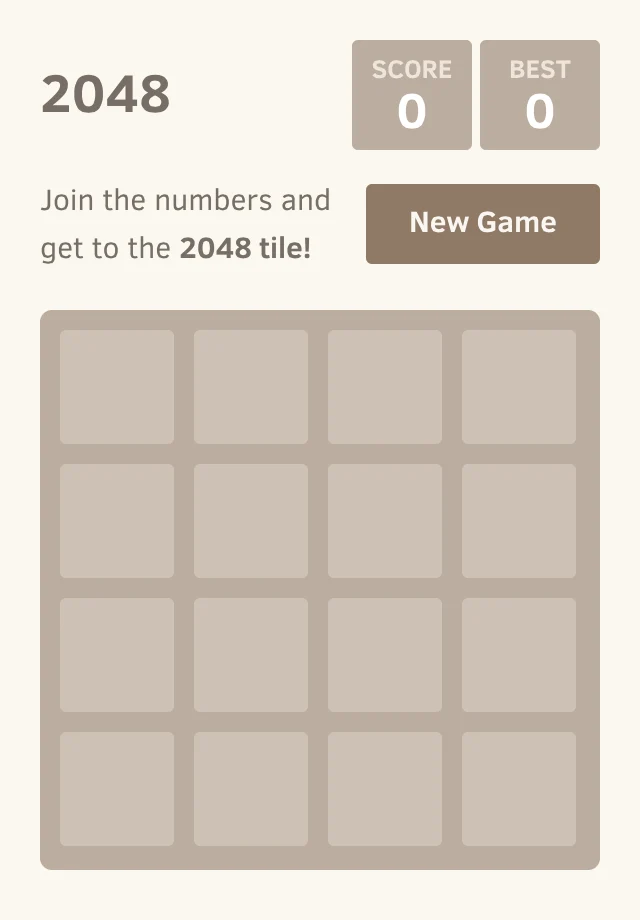
- 2048 moves the entire board.
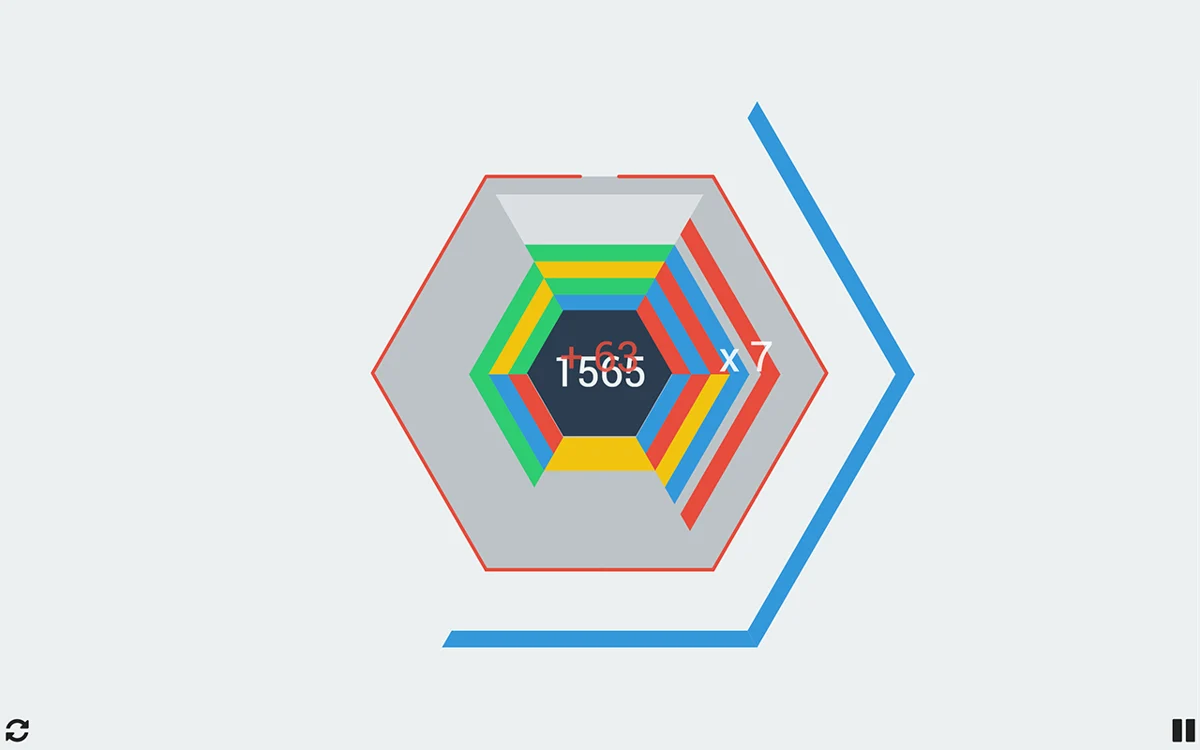
- Hextris rotates the center and clears touching colors.
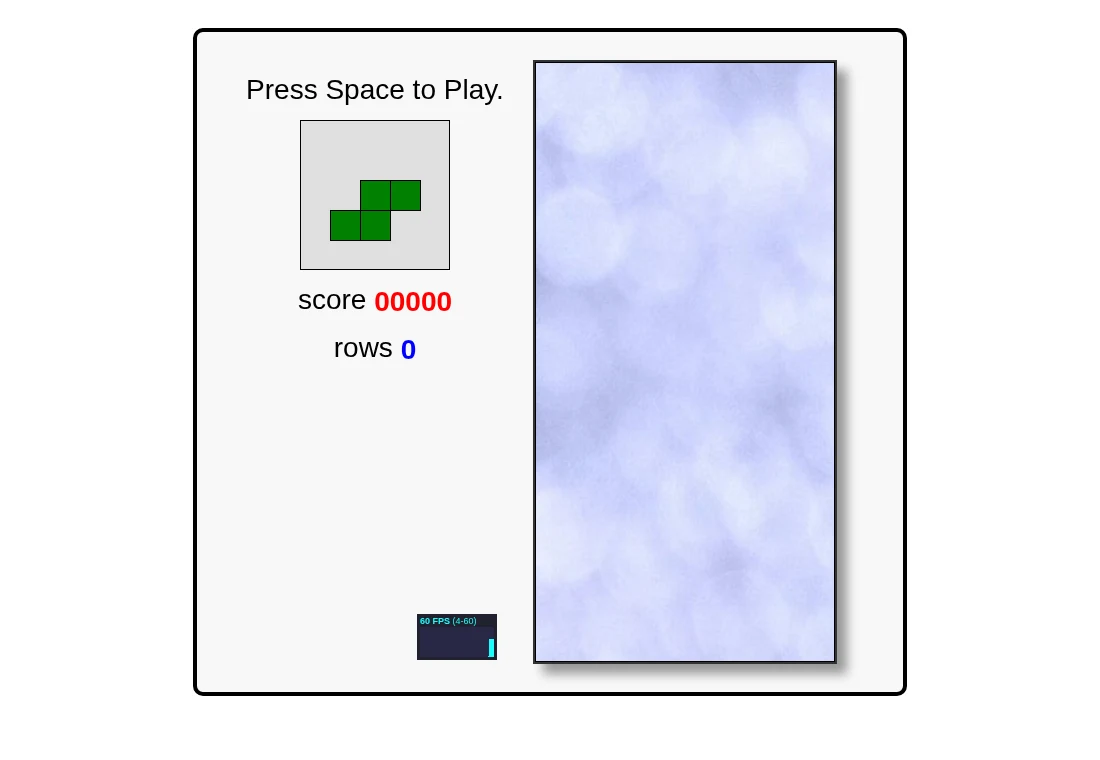
- Tetris places individual falling pieces.
- Check restart and ending keys before a long attempt.
In 2048, the whole board responds
A direction shifts all movable tiles, and equal tiles can merge. A newly merged tile merges only once during the move. Before moving, inspect the entire row or column feeding the next merge. A local improvement can still strand a small tile behind a large one elsewhere on the board.
In Hextris, watch every face
The central hexagon rotates while incoming blocks continue falling. Groups of at least three touching blocks of one color clear, and the blocks above them move down. A clear can change the next landing arrangement. Keep the outer boundary and the other five faces in view before making a rotation.
In Tetris, avoid a roof over an empty cell
Jake Gordon’s falling-block implementation gives you a next-piece preview and directional movement with rotation. As a learning strategy, prefer an open gap you can fill later to a covered hole. The preview lets you consider where the next piece could fit before you commit the current one.
Compare the cost of waiting
2048 lets you inspect the board between moves. Hextris and Tetris continue introducing time pressure during play. When learning, begin with the game whose pace gives you enough room to understand the rule you are practicing. A similar-looking collection of colored blocks can conceal very different demands on attention.
Keep the command differences close
The original 2048 has no undo; R restarts. The checked JavaScript Tetris implementation ends the current game on Escape rather than pausing. Hextris has its own player and input logic. Read the current control table before using a shortcut from the previous game, especially when a run is going well.