KEEP IN MIND
- Read costs before spending.
- Observe one change at a time.
- Check a save before a long session.
- Export and verify where the game supports it.
Read the next useful cost
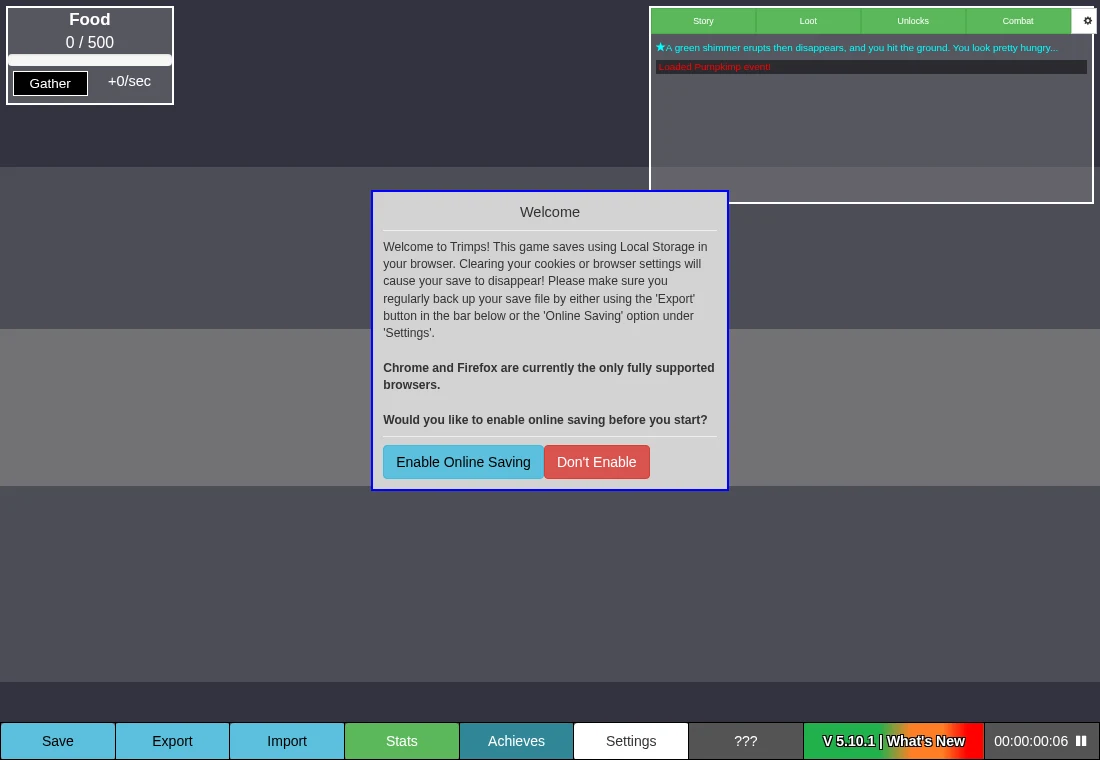
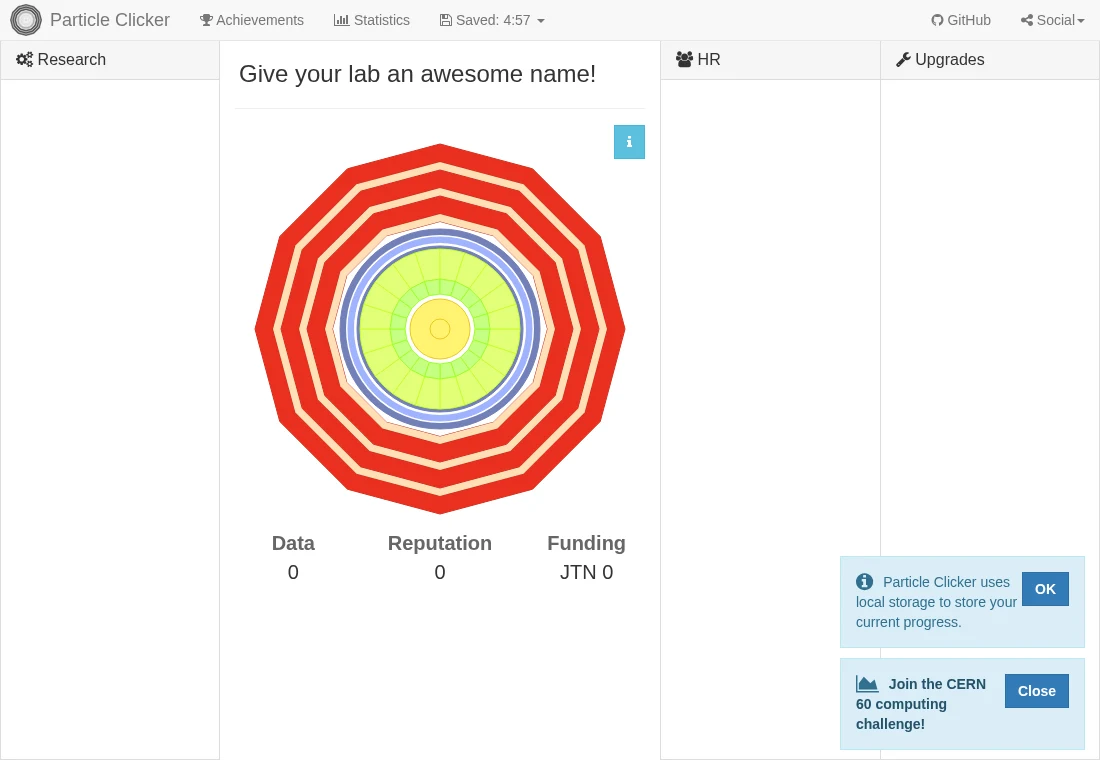
Particle Clicker begins with detector events and data, then offers research that produces reputation. Trimps adds resource gathering, construction and population systems as play develops. In either case, look at the requirement for a useful next action before spending every available resource. The limiting resource may be different from the most prominent counter.
Change one production decision at a time
As a learning method, make one meaningful purchase or change one task, then watch which rate or capacity changes. Several purchases at once can obscure why progress improved or stalled. There is no universal optimal opening shared by these games; their mechanics and live balance differ.
Check what a save actually contains
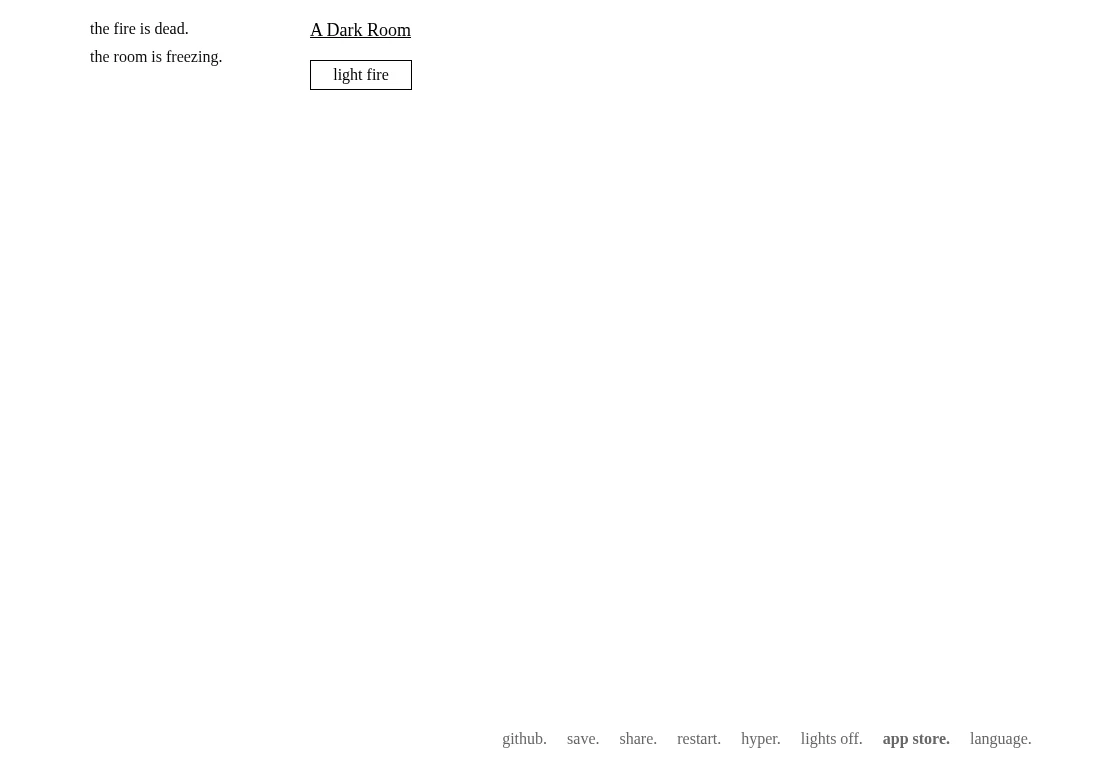
Particle Clicker uses localStorage and shows a manual Save now command. Its storage code warns that reloading loses progress when storage is unavailable. Trimps implements export/import, and A Dark Room exposes its own export/import dialog. A successful page load does not verify any of those storage paths.
Keep a separate copy where export exists
For a game that provides an export, keep a dated copy outside the browser and verify an import before deleting the old run. A local record can disappear with site-data deletion or a lost browser profile. Do not assume an export control exists in another incremental game just because one member of the genre has it.
Avoid making offline promises
Background processing, offline calculations and resumed production are implementation-specific. A tab being open does not guarantee uninterrupted simulation, and closing it may trigger different behavior in different games. Read the selected project’s own explanation and do a small return-to-game test before planning around hours of unattended progress.