KEEP IN MIND
- Choose release timing, repeated rhythm, tracking or drawing.
- Start with one comfortable input.
- Read pause and restart separately.
- Treat touch documentation as a starting point for a device test.
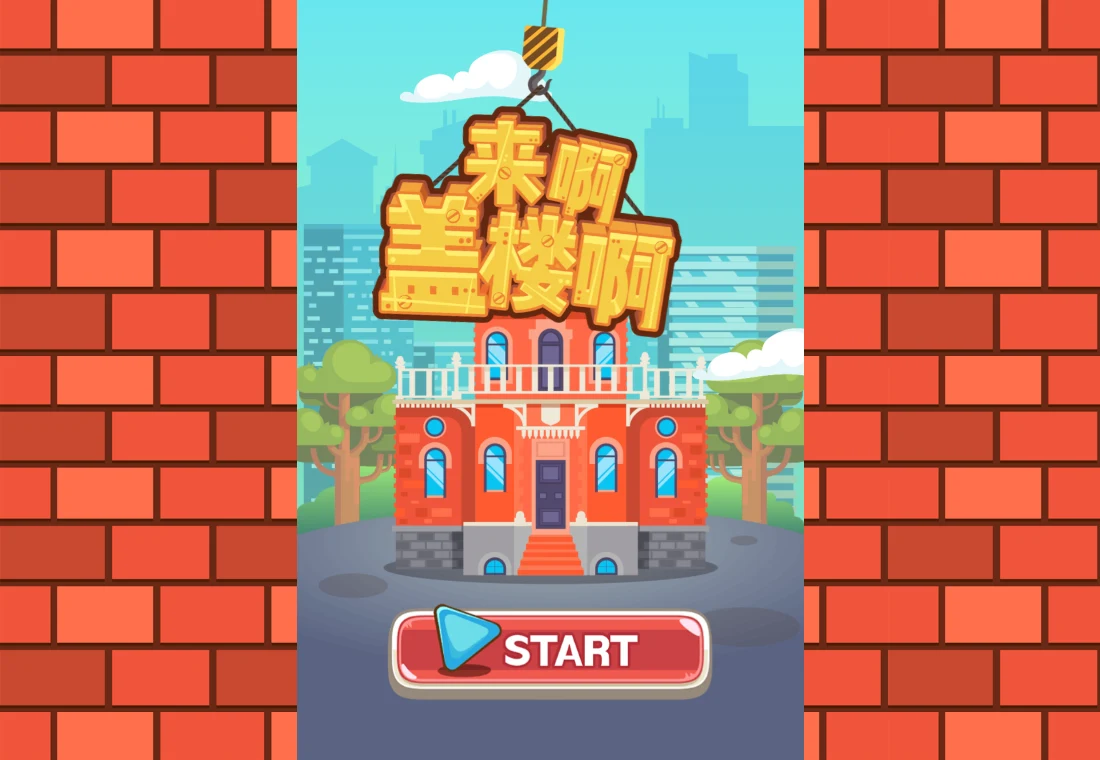
For a deliberate release, try Tower Building
The hanging block gives you time to watch a swing and choose a release. The documented defaults use hearts for misses and a bonus for consecutive Perfect placements. Begin with reliable landings before chasing that bonus. It is a useful choice when you want a compact timing problem without several simultaneous directional controls.
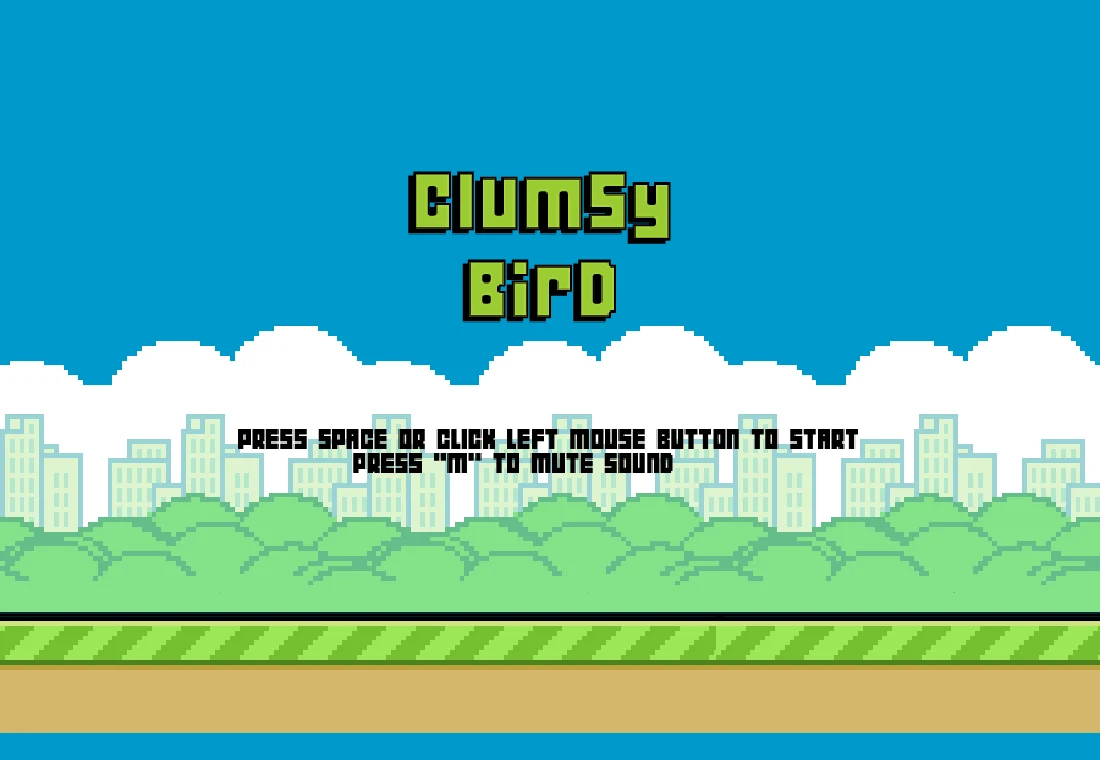
For a repeated rhythm, try Clumsy Bird
Space, the left mouse button or a tap triggers the project’s simple action. Repeated flaps still require continuous attention because the bird’s position keeps changing between inputs. Choose one control and use an opening attempt to learn the size of a correction. Rapid clicking without reading the next gap can make the timing harder.
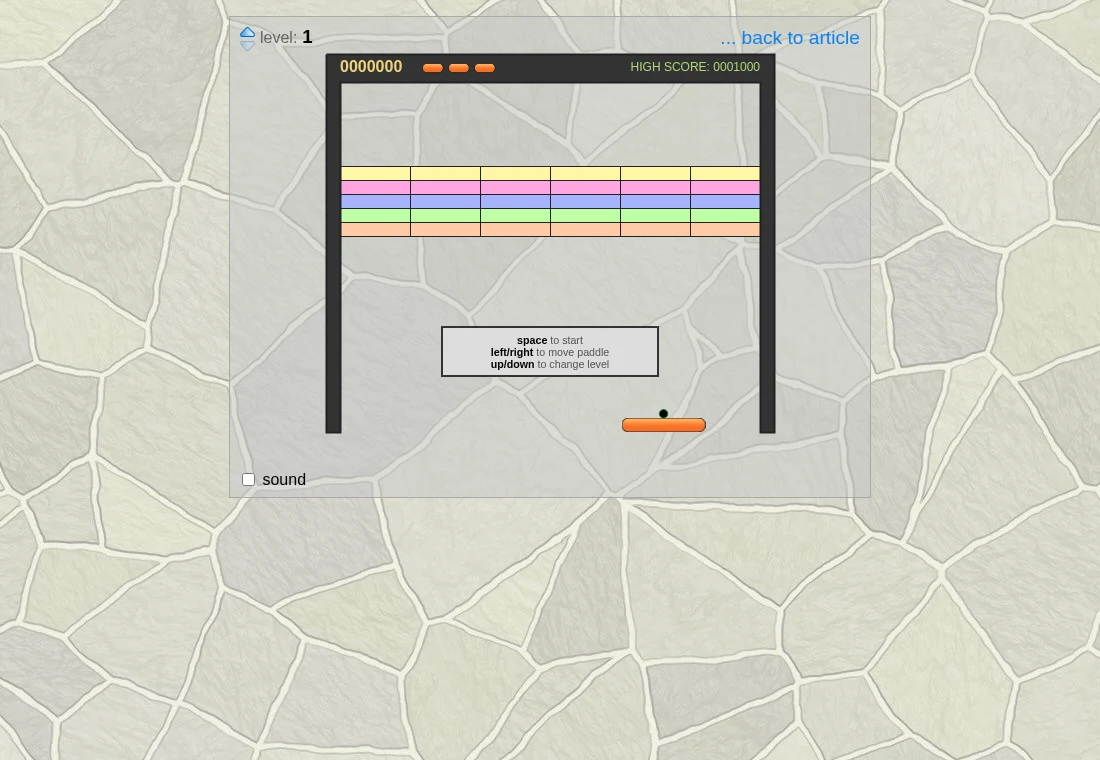
For tracking a moving object, try Breakout
Jake Gordon’s implementation documents left/right keyboard movement and touch dragging for the paddle. The useful movement is toward the point where the ball will return to paddle height. If you want a slower decision than the next flap, this gives you a visible trajectory to read before responding.
For drawing rather than clicking, try Coil
Coil’s pointer trail encloses orbs, with bonuses for surrounding several together. That favors a mouse or trackpad with enough room for a smooth closed loop. It should not be described as a one-tap game merely because the input is simple. The shape and timing of the movement are the central interaction.
Check interruption and restart behavior
A short attempt is not automatically easy to pause or resume. Use the game’s own pause control when present, and keep restart commands separate from it. This collection records documented input and progress behavior; it does not promise that leaving any of these external pages open preserves a live attempt indefinitely.