KEEP IN MIND
- Identify both ends of a connection.
- Keep room for a later piece of the system.
- Check whether the objective includes a return trip.
- Read each game’s own scoring and timing rules.
Connect the endpoints you actually need
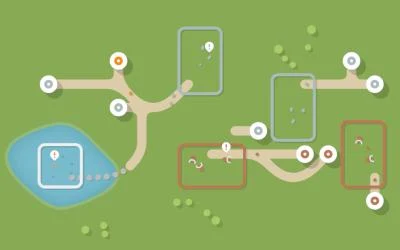
Tiny Yurts asks you to link yurts to farms. Draw a short path with the left mouse button and look at the two endpoints before adding more segments. Right-click removes a segment, so a small experiment is easier to revise than a large network placed all at once.
Reserve space for the next stage
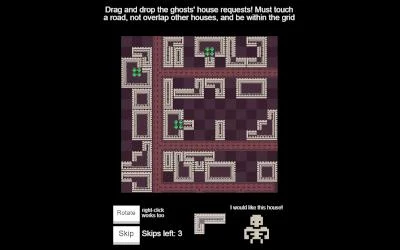
Death Estate begins with road construction and then asks you to place houses for ghosts. A house must touch a road and cannot overlap another house. A road is useful access, but it also occupies cells that might otherwise hold a house. Look at both consequences before selecting Done.
Follow a packet in both directions
Inter Planetary Internet asks for a packet to reach the destination planet and return to the source. The creator marks both endpoints in green and permits retransmission through other planets. Trace the outward and return paths separately so arriving at the destination is not mistaken for the complete exchange.
Read wind and ports as navigation information
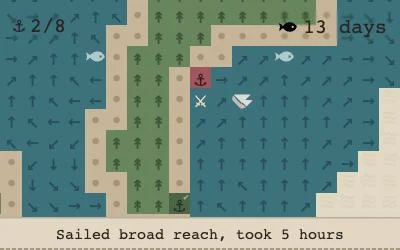
Portolani is a turn-based voyage that asks you to visit all ports while exploring the map. Its instructions discuss sailing relative to wind and describe information that a port visit may reveal. These clues belong to that game’s own map; a daily leaderboard is a separate optional service.
Watch people as well as the layout
Seating Space Planner connects guests to tables rather than roads to buildings. Guest traits and their positive or negative conversations help identify a poor fit. Observe one table after seating a guest, then use that feedback when the next guest arrives.
Read the originals.
Source documents checked . This records a documentation check, not the version deployed by an external game host.