KEEP THIS HANDY
Controls at a glance.
- Pointer / board interaction
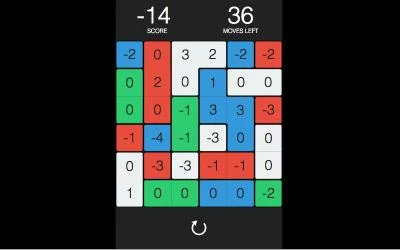
- Select tiles through the running game’s swapping interface.
- Move indicator
- Check how many decisions remain.
- Score indicator
- Compare its response before and after a swap.
Keep the first experiment small
The creator intentionally withholds how scoring works. Choose a swap because it tests a simple idea about the board, then check the result. Changing a small part of the arrangement makes a score difference easier to interpret than a sequence of unrelated swaps.
Spend the move budget consciously
Every experiment uses part of a limited allowance. Early moves can teach a rule; later moves can apply what you have learned. Read the remaining count before beginning a chain of tests, and avoid attributing a high score to a pattern you changed several moves earlier without checking the intervening results.
Leave the discovery intact
This profile describes a way to investigate the scoring system without publishing an unverified formula. The original game remains the authority for accepted swaps and its final score. A successful HTTP response and the published cover establish availability and identity, not a completed high-score attempt by this guide.
What happens to your progress?
A portable campaign export is not established by the reviewed entry. Check the running game before relying on a later resume.
Check the save and backup guide ↗A FEW USEFUL ANSWERS
Before the next click.
Why is the scoring formula absent?
The creator explicitly frames discovering that rule as part of the game.
Are moves unlimited?
The original description says the move allowance is limited.
A useful next read.
Plan a puzzle move, then use undo to test it. ↗Follow the source.
Colin Gourlay. Licence notice. Creator/source notices; see attribution.
Latest collected source change: Update genres (opens a new tab) . Repository activity does not identify the hosted game version.
All media and source credits ↗