KEEP IN MIND
- Learn one short route and its exits.
- Plan a turn before the junction arrives.
- Space, Escape or a playfield click pause on desktop.
- Use this recreation’s own ghost help.
Learn a short loop before the whole maze
Choose a small connected section and identify its exits. Watch how the character reaches a junction and accepts a direction. Looking only at the nearest pill can send you into a long corridor before you have checked what follows. This opening exercise develops a readable route rather than an optimal score path.
Look ahead when the choices are clear
While travelling through a safe corridor, inspect the next junction and nearby pursuers. Decide where you could turn if the intended route becomes blocked. A route with several exits gives you more options than a narrow branch. The exact decision still depends on the maze state and this implementation’s ghost behavior.
Use this host’s pause instructions
The game’s own help lists arrows or WASD for navigation. Space, Escape and a playfield click pause or resume on desktop. The mobile instructions list swipes, on-screen arrows and a tap to pause. Give the game focus before testing a keyboard command, especially after reading another part of the page.
Read ghost help from the correct version
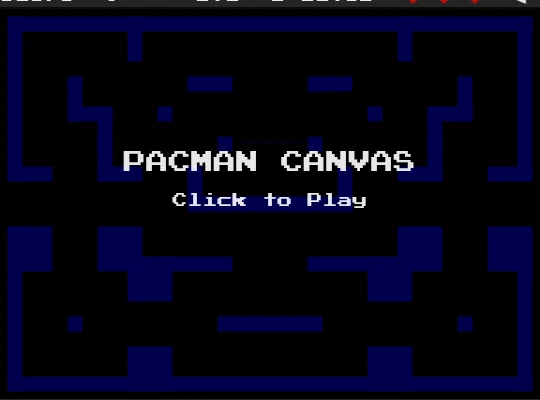
The Instructions panel describes the individual ghosts in this Canvas recreation. A tactic written for a particular arcade revision may assume different timing or behavior. Use the local instructions as your reference and treat a failed route as a chance to inspect the pursuer’s actual motion. This guide does not claim a full maze clear.
Keep the project and score record in context
The README points to a separate TypeScript/React work in progress and says this older repository is unlikely to receive further updates. The link here opens its Canvas host. A high-score table is not evidence that the current maze can be resumed. Its implementation licence also does not erase the separate provenance of sounds or original game marks.