KEEP IN MIND
- Inspect the next landing surface.
- Practice a charge before adding a portal.
- Observe what a rewind actually changes.
- Use the game’s own restart control.
Check both surfaces before changing gravity
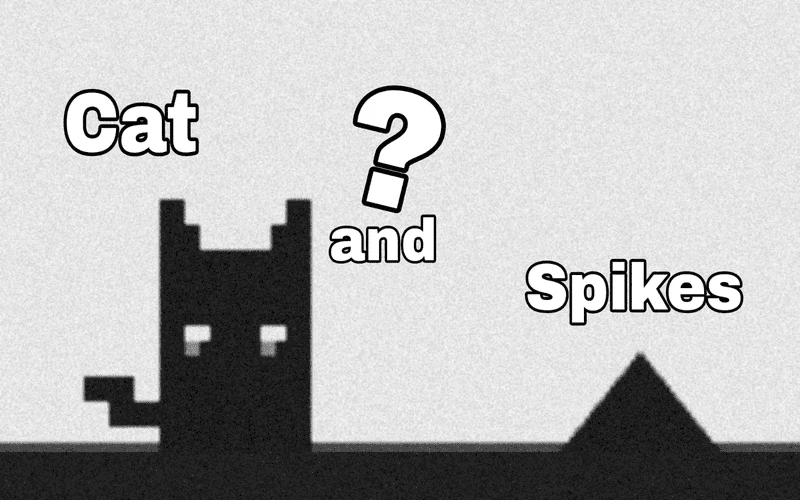
Cat and Spikes uses a gravity-changing mechanic as part of a route through hazards. Before triggering a change, look at the surface toward which the character will travel and the spikes along that path. A ceiling can become a landing surface, but its apparent position does not tell you by itself whether the full path is clear.
Give a charged launch room
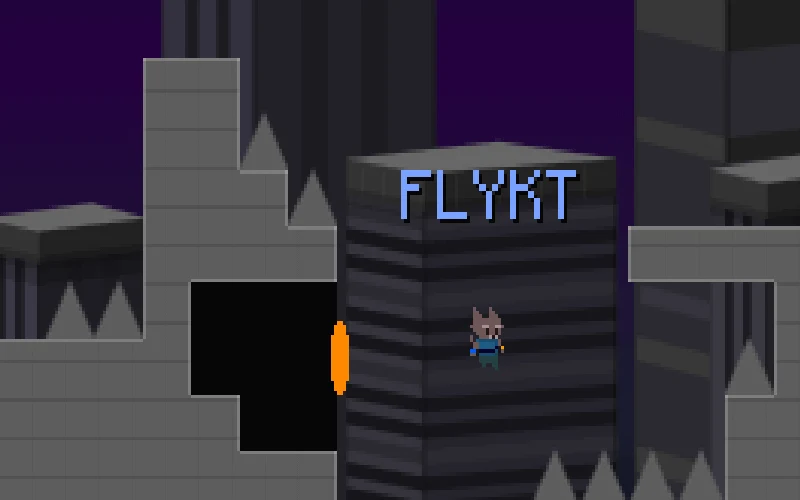
FLYKT uses charged movement and portals in its platform puzzles. Try a short charge and a longer charge from a clear position, observing where each sends the character. Once the movement feels legible, add a portal to the route. The independently hosted author build and competition version can differ.
Reposition the soul
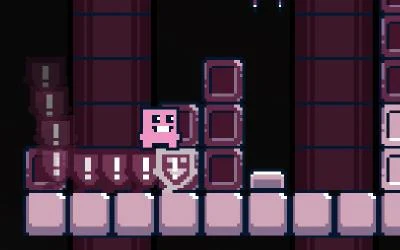
Soul Jumper uses a soul as a platform and provides a rewind to reposition it. Watch where the soul is left and how it relates to the next obstacle. E rewinds the soul, while R restarts the level; those controls are described as separate actions in the creator’s instructions.
Keep restart and jump separate
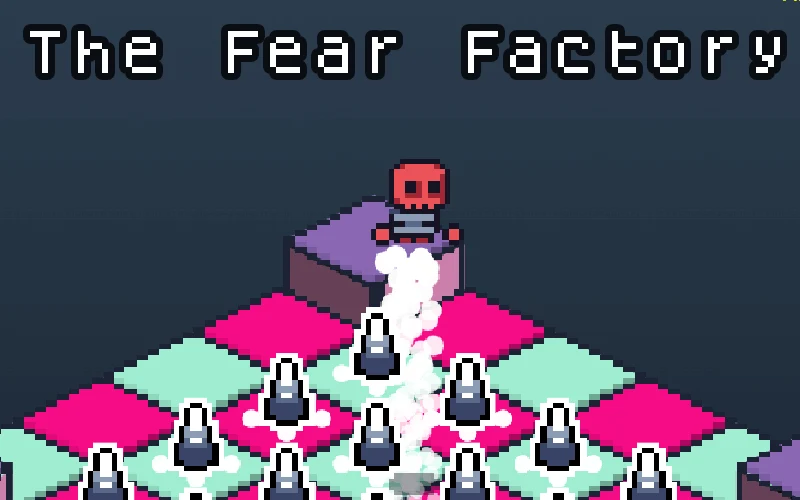
The Fear Factory documents distinct controls for movement, jumping and restarting. If an attempt fails, identify the last landing surface and make one change on the next attempt. Press the documented restart control deliberately; it has a different purpose from a jump or movement input.
Compare a mechanic, not a score
These games use different levels and objectives. A successful gravity change, a clean charged launch and a useful rewind are each observations within their own game, not directly comparable scores. The creator’s instructions and the visible level provide a better basis for the next attempt than a guessed universal technique.
Read the originals.
Source documents checked . This records a documentation check, not the version deployed by an external game host.