KEEP IN MIND
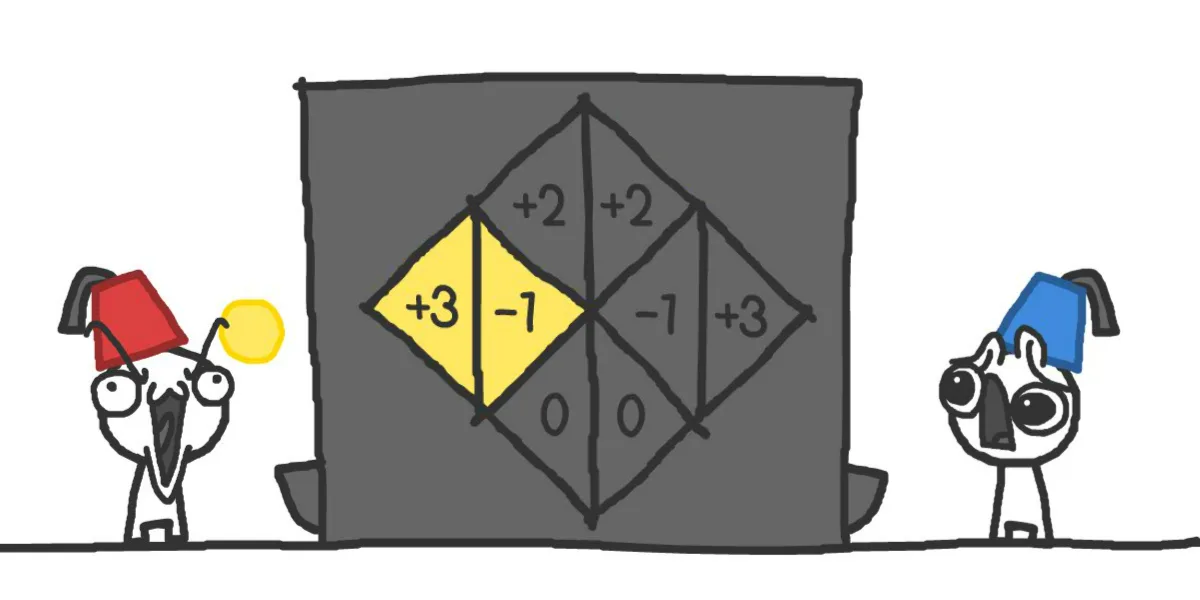
- Read the payoff for both participants.
- Check whether the experiment is one-shot or repeated.
- Keep settings visible when comparing outcomes.
- Distinguish a pair of players from a population model.
- State the model’s assumptions when discussing the result.
Read both sides of the payoff
Before choosing cooperate or cheat, identify the result for both participants under each possible pair of actions. A payoff table describes the immediate exchange. Write down what you expect from a choice, then compare that expectation with the displayed result. This makes a later repeated game easier to follow because the basic exchange is already familiar.
Separate one encounter from a repeated match
When players meet again, earlier actions can affect later responses. Follow the same pair for several rounds and watch both the immediate exchange and accumulated result. A choice that receives a favorable result once does not by itself establish which strategy performs best over the full repeated interaction. Read the active stopping rule before comparing totals.
Change one assumption at a time
When an experiment exposes settings, keep the other conditions fixed and adjust one option. Observe the resulting behavior before making a second change. This is an editorial method for interpreting the interactive model, not a claim that every run is deterministic. Record the settings you actually used so a difference can be discussed without relying on a strategy’s name alone.
Keep a population experiment in context
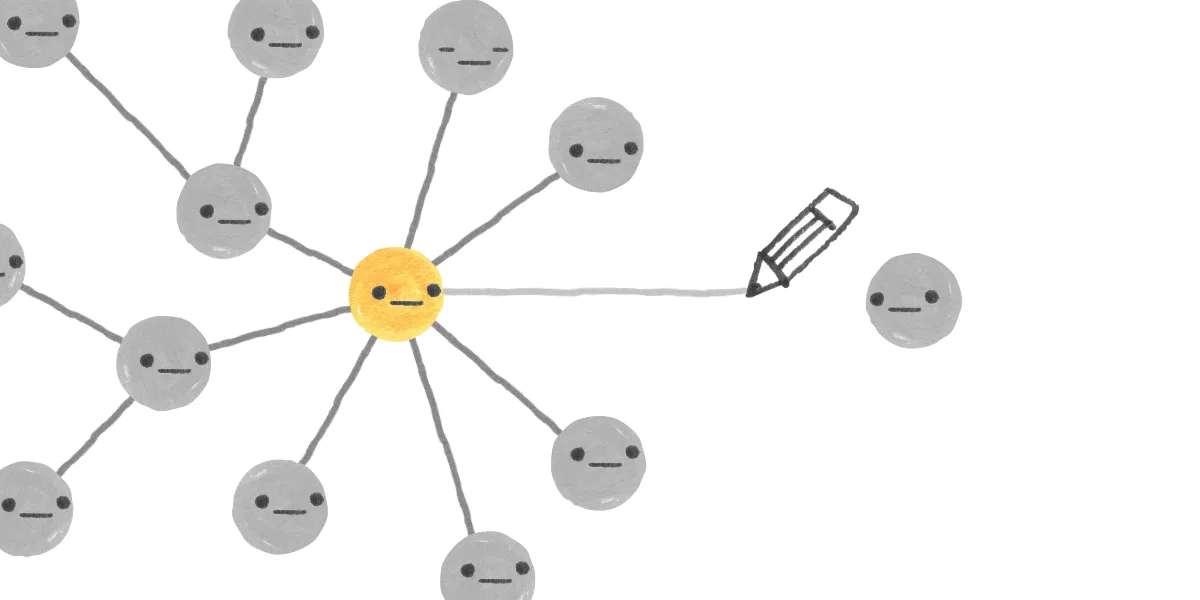
Later comparisons can concern a population rather than one pair of players. Read what is being counted and how the model changes across rounds. A strategy surviving in a population model and a strategy winning a single encounter are different observations. Describe the result in the terms of the displayed experiment instead of combining them into a universal verdict.
Discuss the limits of the model
The game uses explicit payoffs and simplified rules to explain a mechanism. Real relationships contain information and consequences outside those rules. Use the experiment to identify which assumptions produced an outcome, then state those assumptions when sharing it. The model is not a test of a real person’s honesty, and the profile does not prescribe personal relationship decisions.
Read the originals.
Source documents checked . This records a documentation check, not the version deployed by an external game host.