KEEP THIS HANDY
Controls at a glance.
- Drag an unhappy shape
- Move a shape when the current exercise allows it.
- Simulation controls
- Start, reset or adjust the currently exposed model.
- Page scroll
- Read the explanation between interactive sections.
Read the current preference
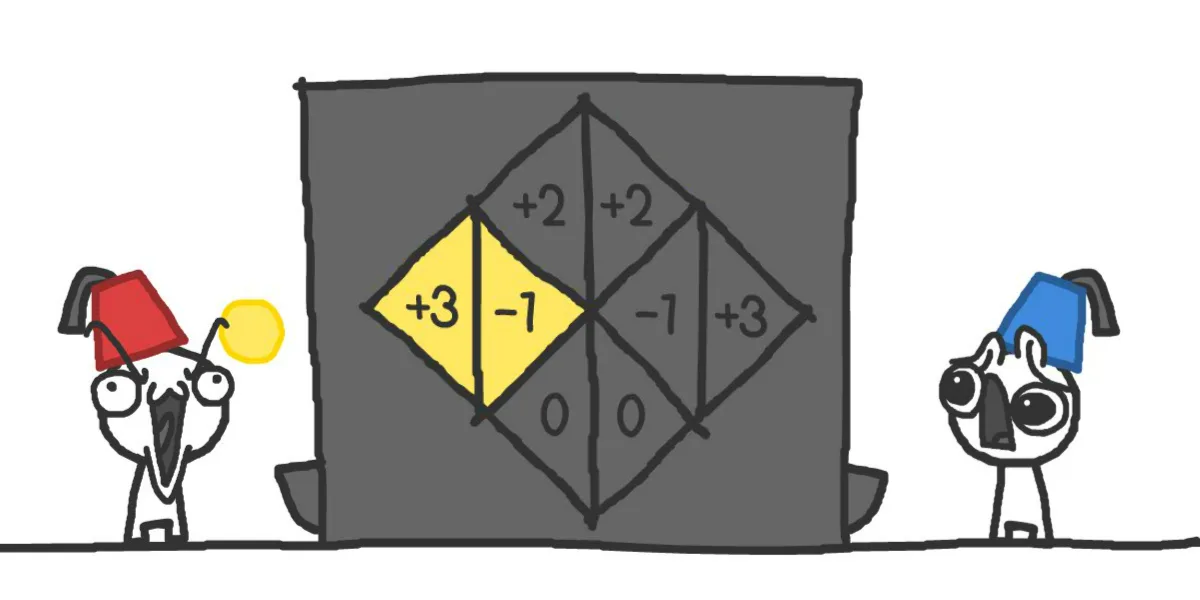
Each interactive section defines how a shape evaluates its neighbors. A shape that is allowed to move under one rule may not be allowed under a later one. Read the visible explanation before dragging, then inspect both the moved shape and its neighbors. The change can affect several local situations at once.
Compare local choices with the whole board
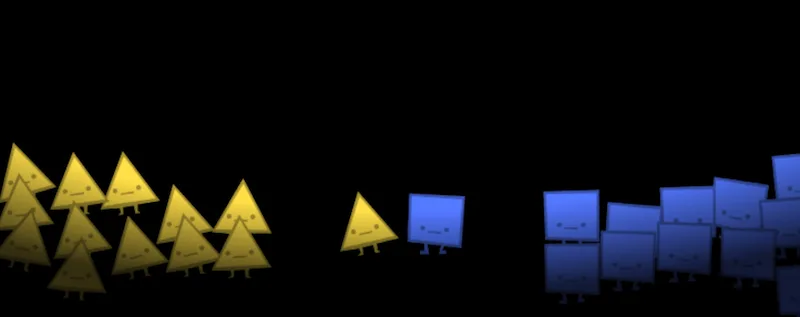
The project’s subject is the relationship between individual preferences and an overall pattern. Watch the board after several legal moves instead of judging only whether one shape becomes happy. When adjustable simulations appear, keep the initial arrangement and other settings in mind before attributing the final pattern to a single slider.
Use a playable model thoughtfully
The shapes and explicit rules simplify a social question so the mechanism can be explored. They are useful for discussion, but the board is not a measurement of a real neighborhood. The creators’ CC0 statement permits adaptations; acknowledge Vi Hart and Nicky Case and retain the model’s context when sharing screenshots or teaching with it.
What happens to your progress?
A portable campaign backup was not established by the reviewed documentation. Treat the linked game and this site’s Saved shortlist as separate records.
Check the save and backup guide ↗A FEW USEFUL ANSWERS
Before the next click.
Who created it?
Vi Hart and Nicky Case are credited in the original source.
Can it be used in class?
The creators explicitly welcome classroom use and publish the work under CC0.
A useful next read.
Choose a game for the controls you have. ↗Follow the source.
Vi Hart and Nicky Case. Licence notice. CC0 public-domain original work.
Latest collected source change: ugh, fix frontpage issue, and also font weight fix (opens a new tab) . Repository activity does not identify the hosted game version.
All media and source credits ↗